




What’s at Stake: Why Storing Vinyl Records Properly Is Essential

Understanding Vinyl: A Fragile Format Worth Preserving
Vinyl is made from polyvinyl chloride (PVC), a plastic that’s durable but sensitive. High temps soften it, pressure warps it, and dust or oils can permanently damage the grooves. Think of your vinyl like an old photograph—it can last forever if you treat it right.
Environmental Enemies of Vinyl Records
Here are the main threats:

- Heat: Warps vinyl quickly. Avoid direct sunlight or heaters.
- Humidity: Encourages mold growth on jackets and records.
- Sunlight: Fades cover art and increases heat exposure.
- Dust: Gets into grooves, reducing sound quality.
Aim for a cool, dry, dark space.
Ideal Storage Conditions for Vinyl Records
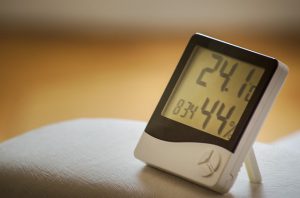

- Temperature: 60–70°F (15–21°C)
- Humidity: 35–45% RH
- Lighting: Minimal to no direct sunlight
Consider adding a digital hygrometer to monitor your storage area.
Why Vertical Storage Is a Must
Records stored flat stack pressure unevenly, leading to warping. Instead:
- Store them upright, like books
- Use dividers to keep them from leaning
- Keep weight evenly distributed across the shelf
Best Storage Shelves and Furniture for Vinyl Collectors
- IKEA Kallax: A collector favorite—affordable, sturdy, modular.
- Vintage wooden cabinets: Stylish and functional.
- Wall-mounted crates: Space-saving for smaller collections.
Choose something with enough depth (13&quo;&quo;+) and strength to hold weight.
Record Crates and Storage Boxes: Pros and Cons
| Type | Pros | Cons |
| Plastic Crates | Durable, stackable | Not always size-appropriate |
| Wooden Crates | Stylish, customizable | Heavier, pricier |
| Archival Boxes | Acid-free, protective | Less accessible for browsing |
Great for collectors who like to rotate out what’s on display.
Avoiding Overstuffing: Spacing Your Collection Right
Tightly packed records = ring wear, bent corners, and more effort to remove them. You should be able to flick through them like files in a drawer. A little wiggle room is a good thing.
Inner Sleeves: Paper, Plastic, or Poly Lined?
- Paper: Cheap but can scratch
- Plastic: Safe but can trap static
- Poly-lined: Best of both worlds
Outer Sleeves: Do You Really Need Them?


Yes! Outer sleeves protect your album art from dust, scuffs, and fading. Use:
- 3 mil polyethylene for everyday protection
- Heavy-duty sleeves for rare or valuable LPs
How to Clean Vinyl Records Before Storage
- Use an anti-static brush before and after each play
- Deep clean with a vinyl-safe cleaning solution + microfiber cloth
- Let dry completely before returning to the sleeve
A clean record is a happy record.
Handling Records Properly: Touch Matters
Always handle records by the edges and the labeled center. Your fingers have oils that can cause permanent groove damage.
Storage Locations to Avoid at All Costs
- Attics
- Basements
- Car trunks
- Near radiators or vents
- Anywhere with temp or humidity swings
Stick to interior closets, cabinets, or controlled storage units.
How Long Can Vinyl Last in Storage?
If stored properly, vinyl can last 100+ years. Sound degradation mostly comes from play and poor handling—not time.
Mold and Mildew Prevention for Vinyl Records
Mold can ruin sleeves and even eat into labels. To prevent it:
- Keep RH under 50%
- Use moisture absorbers (like silica gel)
- Inspect occasionally for early signs
Tips for Traveling or Moving Your Collection
- Pack records vertically in small, strong boxes
- Use cardboard dividers and bubble wrap
- Label clearly and don’t stack more than 2 boxes high
Digital Cataloging: Tracking Your Stored Records
Use apps or websites like:
- Discogs (widely used, free, mobile-friendly)
- Google Sheets for custom tracking
Helps you stay organized and avoid duplicates.
Using Dehumidifiers and Climate Control Tools
Storage units or spare rooms can benefit from these tools:
- Mini dehumidifiers for small spaces
- Air purifiers to reduce dust
- Climate-controlled storage units like those at The Lock Up
How to Store Rare or Valuable Records Differently
- Double-sleeve: inner and outer protection
- Store in dark, secure places
- Consider vertical archival storage boxes with labels
Archival Storage Supplies for Vinyl Preservation
- Poly-lined inner sleeves
- Mylar outer sleeves
- Buffered record jackets
Look for acid-free and archival-quality labels.
DIY Storage Hacks for Budget Collectors

- Use magazine holders for 45s
- Repurpose old bookshelves
- Stack milk crates (make sure they’re the right size)
External Resource: Archival Quality Guidelines from The Library of Congress
For deeper storage best practices, check out Library of Congress audio preservation.
FAQs About Storing Vinyl Records
Q1: Can I store records in my garage?
A: Only if it’s climate controlled. Otherwise, temps and moisture levels are too risky.
Q2: What’s the best way to store box sets?
A: Upright, with additional support around them to prevent leaning.
Q3: Do colored vinyl records need special storage?
A: Not really, but they tend to be more collectible—treat them like rarities.
Q4: Can I play records straight from cold storage?
A: Let them warm up to room temp first to avoid condensation.
Q5: What’s the difference between archival and regular sleeves?
A: Archival sleeves are acid-free and prevent chemical breakdown over decades.
Q6: Is it okay to leave records on the turntable?
A: Nope. Always re-sleeve them after use to avoid dust and warping.
Final Thoughts: Keep Spinning, Keep Preserving
Vinyl is more than music—it’s memory, artwork, and culture. Whether you’ve got ten records or ten thousand, storing them right protects not just your investment, but the stories each record tells.
And if you’re running out of safe space at home, climate-controlled self storage units at The Lock Up are a great option to protect your collection for years to come. The Lock Up Self Storage has a number of self storage units ranging from small to large, so you can accommodate any size collection. Plus, all of our units are climate controlled to protect your records properly from temperature damage and keep them playing like new.
Thanks for reading! Share this guide with fellow vinyl lovers and let’s keep the good vibes spinning.