Climate control is important for storing your items, regardless of what they are. It helps protect your things from extreme temperatures, improves the overall quality of the air, adds an extra protective barrier, and gives you a strong peace of mind. Regardless of if you’re storing valuable collections or old furniture, the type of storage system makes a huge difference and you shouldn’t sacrifice quality for price. Remember, not all storage solutions are the same. You might find a great deal, but if it doesn’t have the features you need, the price shouldn’t be your deciding factor. This is especially true when storing wine, both in your home and in a professional cellar.

The Difference Between Cooled and Passive Wine Storage
Before looking at your options for different climate control systems for wine storage, we wanted to clarify the difference between cooled and passive storage. There’s a substantial difference and where you live will determine whether you can even consider using passive storage.
Passive wine storage relies on the environment’s natural temperature to 
For this reason, most people opt for cooled wine storage. It’s less risky and ensures that regardless of the weather, your wine is protected. But there are many types of cooling systems to choose from.
Different Climate Control Systems
Self-Contained Cooling System
A self-contained system is one of the most basic types of cooling systems and therefore tends to have the lowest upfront cost. All you have to do is mount it and create a vent that goes through the wall to another room. It’s pretty easy, but you do want to make sure that you choose the best wall for the exhaust to be placed.
It’s recommended to lead the exhaust into an adjacent room rather than outside so the temperature of your wine cellar isn’t affected. The adjacent room will therefore need to be ventilated properly to avoid overheating. Choose a room that isn’t used frequently like a furnace room or unfinished area of your basement for the easiest maintenance.
Split Cooling Systems
This type of cooling system is similar to self-contained systems, but doesn’t require the same type of ventilation. Instead, split level cooling systems work using their own condensers, which can be placed outside of the room and connected through tubing and wiring. The main cooling system is still visible inside of the wine cellar.
General maintenance is much easier using a split cooling system, but they’re more expensive to install. They last longer that self-contained systems, produce less noise, and don’t increase the heat of other areas of your home.
Ducted Cooling System
Finally, a ducted cooling system relies on ventilation ducts to maintain optimal temperatures in a wine cellar. It is the only option that isn’t visible inside of your cellar—you keep them in a different location and direct the air through vents. You can put it outside and push the air inside or in an adjacent room. There is minimal to no noise produced, can cool larger areas, and is often considered the safest cooling system available.
Properly Storing Wine
Aside from passive or cooled wine storage, it’s important to take a few precautionary measures and store wine properly. Storage is vastly different before and after opening, so take a look at some of our tips for the best result.
Before Opening
Most of your storage needs will be for pre-opened bottles of wine and how you store it does make a difference. For instance, most wines need to be stored in a dark place. This is because light changes the chemical structure, and thus the taste, in a negative way. Direct sunlight can ruin the flavor and spoil the wine. Even if you have a dark bottle, it’s not impenetrable.
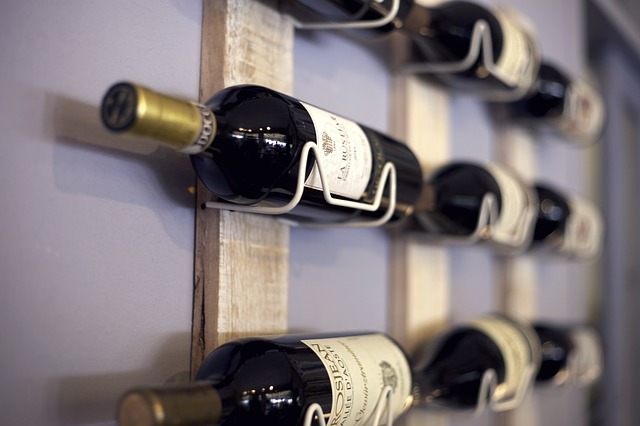
Once you store your wine, try not to move it too much. The more movement your bottles have, the more sediment will float around.
Finally, keeping the temperature of your wine consistent is imperative. Fluctuating temperatures will lead to premature aging, a phenomenon where the wine “cooks,” flattens, and eventually goes bad. Wine should be kept around 55 degrees. The same mentality applies to humidity, which helps keep the cork perfectly maintained. Too little humidity will dry it out and too much will contribute to mildew. Aim for a humidity around 60-70%, with 70% being close to perfect. This is one of the many reasons you should keep wine storage separate from your other belongings.
After Opening
Depending on the type of wine, what you do after you open the bottle will be different. For white wines, store bottles in the refrigerator for a maximum of 3-5 days. For reds, re-cork the bottle and keep them at room temperature in a dark area. Drink them within a few days for the best flavors.
If you’re interested in collecting wine, it’s time to start taking an interest in how you store it. At the end of the day, the choice is yours. Do you want to store your wine in a professional wine cellar or do you want to build a custom wine cellar in your home? Working with a professional wine cellar gives you everything you need without any added construction costs. They provide the most desirable conditions for wine storage including temperature control and humidifiers. If you build one yourself, opting for climate control is strongly advised. However, making sure you understand what type of climate control system is even better. Not all climate control systems are the same, so we recommend doing your research and choosing one that works best for your home and budget.
If you choose to store your wine, finding a place that specializes in wine storage, like The Lock Up Wine Cellars, is your best bet. Whether you’re a wine collector, investor, or restaurateur, investing in fine wines should be taken seriously. The Lock Up Self Storage offers you optimal storage conditions and absolute environmental control. We take our wine storage seriously, which is why we use refrigeration equipment designed to ensure constant year round temperature and humidity control. Temperatures remain around 55 degrees and humidity is kept from 60-70%—the recommended level for fine wine storage. Our wine cellars are separated from our self storage units to give you customized control and security.